
Herniated Disc Treatment in Texas
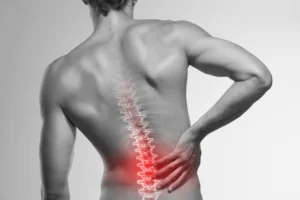 A herniated disc occurs when the soft inner material of a spinal disc pushes through its outer layer, placing pressure on nearby nerves.
Living with a herniated disc can affect nearly every part of your day. Persistent back or neck pain, numbness, tingling, or weakness can make simple movements uncomfortable and sleep difficult.
Herniated disc treatment in Texas focuses on reducing pain, relieving nerve irritation, and restoring function so you can return to daily activities safely.
If you are seeking answers and relief, help is available at Pain & Spine Physicians. Call (972) 350-0225 or contact us online to schedule an evaluation and discuss treatment options tailored to your symptoms.
Why Choose Us for Herniated Disc Treatment in Texas
Choosing the right provider plays a significant role in recovery. Our approach emphasizes accurate diagnosis, targeted treatment, and coordinated follow-up care.
- Physician-Led Evaluations: Care plans are developed by experienced physicians with extensive spine and pain management training and clinical expertise.
- Advanced In-Office Procedures: Modern technology allows for precise, minimally invasive treatments.
- Integrated Care Model: Evaluation, treatment, and follow-up are handled within one clinic.
- Focused on Functional Recovery: Plans are designed to support steady improvement, restore mobility, and promote long-term spinal health.
- Efficient Access to Care: Most treatments are performed without lengthy hospital stays or delays.
Our approach allows patients to receive timely, cost-effective care without unnecessary escalation of treatment.
Herniated Disc Pain and Symptoms
Spinal discs act as cushions between the vertebrae. When a disc herniates, it can irritate or compress spinal nerves, resulting in symptoms ranging from mild discomfort to significant pain. The location of the herniated disc often determines where symptoms are felt.
Common symptoms include:
- Localized neck or back pain
- Pain that radiates into the arms, shoulders, hips, or legs
- Numbness or tingling in the extremities
- Muscle weakness
- Pain that worsens with movement, sitting, or bending
Not all herniated discs cause severe symptoms, but when nerve compression is present, timely treatment can help prevent prolonged discomfort and functional limitations.
Non-Surgical Herniated Disc Treatment in Texas
Most patients improve without surgery. Non-surgical treatment of herniated discs in Texas is often the first approach and focuses on reducing inflammation while supporting the body’s natural healing process. These treatment plans are tailored to the location of the disc injury, symptom severity, and functional limitations, allowing care to progress at a safe, controlled pace. The goal is to relieve nerve pressure, improve mobility, and help patients return to normal activities without unnecessary procedures, including surgery.
Conservative Care Options
Early treatment plans may include:
- Activity modification to reduce stress on the spine
- Guided physical therapy to strengthen supportive muscles
- Anti-inflammatory medications or short-term pain relief options
- Postural education and ergonomic adjustments
These strategies are often effective for mild to moderate disc herniations, especially when symptoms are addressed early.
Interventional Treatments for Herniated Discs
When conservative care does not provide sufficient relief, interventional procedures may be recommended. These treatments target inflammation and nerve irritation more directly.
Epidural Steroid Injections
Epidural injections deliver anti-inflammatory medication near the affected nerve root. This can reduce swelling, ease pain, and improve mobility, allowing patients to participate more fully in rehabilitation.
Trigger Point Injections
Muscle tension often develops around spinal injuries. Trigger point injections help relax tight muscles that contribute to pain and restricted range of motion.
Nerve Blocks and Targeted Injections
In some cases, precise injections are used to confirm pain sources and provide relief by interrupting pain signals from irritated nerves.
These minimally invasive options are commonly used in herniated disc treatment in Texas to avoid or delay surgical intervention.
When Surgery May Be Considered
Surgery is not the first line of treatment for most herniated discs, but it may be appropriate in certain situations. Surgical options are generally considered when:
- Severe pain persists despite non-surgical care
- Progressive weakness or numbness develops
- Nerve compression affects bladder or bowel function
Even when surgery is discussed, many patients benefit from interventional and rehabilitative care before and after surgical consultation.
Recovery and Long-Term Management
Effective herniated disc treatment in Texas goes beyond short-term pain relief. Long-term success depends on maintaining spinal health and reducing the risk of future injury.
Recovery plans often focus on:
- Core and spinal stabilization exercises
- Gradual return to regular activity
- Weight management and lifestyle modifications
- Ongoing posture and movement education
By addressing contributing factors, patients are more likely to experience lasting improvement rather than recurring flare-ups.
Frequently Asked Questions About Herniated Disc Treatment in Texas
How Do Herniated Discs Happen?
Herniated discs often happen due to sudden trauma like car accidents or falls, or gradual wear from aging, repetitive motions, and improper lifting.
How Do You Diagnose a Herniated Disc?
Physicians diagnose herniated discs through physical examination, neurological tests to assess reflexes and sensation, and imaging studies such as MRI scans, CT scans, or X-rays to confirm the herniation and determine its severity.
Can a Herniated Disc Heal on Its Own?
Yes, many herniated discs improve over time with conservative care as inflammation decreases and the body gradually reabsorbs disc material.
When Should I Seek Immediate Medical Attention for a Herniated Disc?
You should seek urgent care if you experience worsening weakness, loss of bowel or bladder control, or severe, unrelenting pain.
Will I Need Ongoing Treatment?
Some patients require only short-term care, while others benefit from periodic follow-up to manage chronic or recurring symptoms.
Get Help for Herniated Disc Pain Today
You do not have to manage herniated disc pain on your own. Effective herniated disc treatment in Texas focuses on relieving nerve pressure, reducing pain, and restoring movement so you can return to daily life with confidence. Call Pain & Spine Physicians at (972) 350-0225 or contact us online to schedule your evaluation. Here you will discover how coordinated, physician-led treatment supports long-term spine health and recovery.