
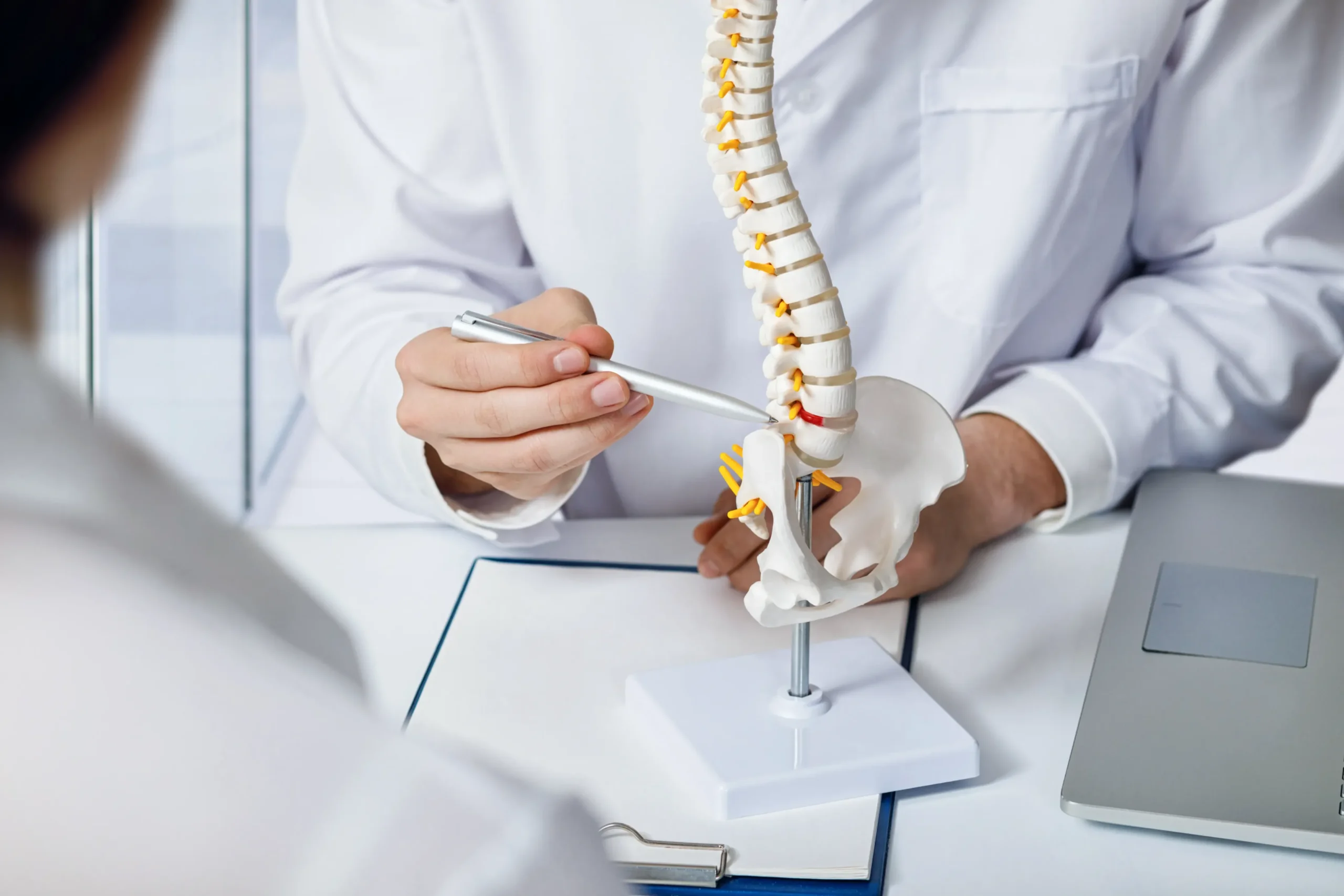
Lower back pain is one of the most common reasons people seek medical care, yet many patients are unsure which type of doctor to see first. Should you see your primary care doctor, a chiropractor, or a spine specialist? The answer depends on the severity of your symptoms, how long the pain has lasted, and how much it is affecting your daily life.
At Pain & Spine Physicians, we help patients navigate this decision every day with a clear, comprehensive approach to care. If lower back pain is limiting your mobility or quality of life, contact our office to take the first step toward relief.
Starting With a Primary Care Provider
For mild or short-term lower back pain, a primary care physician is often the first stop. They can evaluate your symptoms, review your medical history, and rule out basic causes such as muscle strain or minor injury. Primary care providers may recommend rest, activity modification, physical therapy, or short-term medications.
However, if pain persists beyond a few weeks, worsens over time, or begins to interfere with work, sleep, or movement, a referral to a specialist is usually appropriate. Ongoing pain often signals a more complex issue that requires focused spine evaluation.
When a Spine Specialist Is the Right Choice
A spine specialist is typically the most appropriate doctor for ongoing or severe lower back pain. These physicians focus specifically on conditions affecting the spine, nerves, and surrounding structures. Common issues they evaluate include herniated discs, spinal stenosis, arthritis, nerve compression, and degenerative disc disease.
Spine specialists are trained to identify the root cause of pain rather than simply treating symptoms. This allows for more targeted treatment plans that are tailored to your specific condition and goals. Importantly, seeing a spine specialist does not automatically mean surgery. In fact, many patients benefit from non-surgical, minimally invasive options.
The Role of Pain Management Physicians
Pain management physicians play a key role in treating lower back pain that does not respond to basic care. These doctors are trained in advanced, image-guided procedures designed to address pain and functional limitations, including the ability to:
- reduce inflammation;
- calm irritated nerves; and
- improve function.
Treatments may include epidural steroid injections, facet joint injections, nerve blocks, or other in-office procedures using modern technology. These options are often safer alternatives to traditional spine surgery and can support faster recovery times when combined with rehabilitation and lifestyle adjustments.
At Pain & Spine Physicians, all physicians are board-certified and use a comprehensive treatment approach focused on long-term wellness rather than short-term relief. Our in-house capabilities allow for cost-effective care without unnecessary delays or referrals.
When Imaging and Advanced Evaluation Matter
If lower back pain is persistent, severe, or accompanied by symptoms such as numbness, tingling, or weakness, advanced imaging may be necessary. Our spine specialists can determine when X-rays, MRI scans, or other diagnostic tools are appropriate and how to interpret those results accurately.
This level of evaluation helps ensure that treatment decisions are based on clear clinical findings rather than assumptions. Proper diagnosis is essential for selecting the right therapy and avoiding treatments that may not address the true source of pain.
Chiropractic Care and Physical Therapy
Some patients explore chiropractic care or physical therapy for lower back pain, particularly for musculoskeletal or posture-related issues. These services can be helpful as part of a broader treatment plan, especially when guided by a spine specialist who understands the underlying diagnosis. However, if pain continues despite these efforts, or if neurological symptoms develop, medical evaluation by a spine or pain management physician is strongly recommended.
Choosing the Right Doctor for Long-Term Results
The best doctor for lower back pain is one who looks beyond symptoms and focuses on sustainable recovery. Patients who want to get better and are compliant with their treatment plan tend to achieve the best outcomes. This includes the following recommendations:
- Staying active within safe limits
- Addressing contributing factors such as posture, conditioning, and stress
- Maintaining consistency with recommended treatment and follow-up care
Our team emphasizes safer alternatives to traditional spine surgery, modern in-office procedures, and a patient-centered approach that supports faster recovery and long-term spine health. With multiple state-of-the-art locations and extensive clinical experience, we are well-equipped to help patients move forward confidently.
Take the Next Step Toward Relief
If you are unsure which doctor to see for lower back pain, starting with a spine-focused evaluation can save time and prevent frustration. Call (972) 350-0225 or contact us online to schedule an appointment with Pain & Spine Physicians. We are here to help you identify the cause of your pain and develop a clear path toward lasting relief.