
Texas Back Pain Doctor
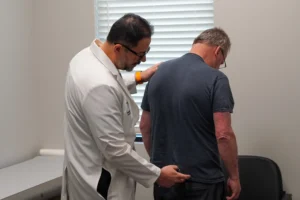 Back pain is one of the most common reasons Texans seek medical care, and it can affect nearly every part of daily life, from work and sleep to mobility and overall well-being. Whether pain develops suddenly or progresses over time, finding the right care early can make a meaningful difference.
At Pain & Spine Physicians, we serve patients throughout North Texas by providing thorough evaluations and non-surgical treatment options designed to address pain at its source. If back pain is limiting your quality of life, call (972) 350-0225 to take the next step toward relief.
When Should You See a Back Pain Doctor in Texas?
Not all back pain requires immediate medical attention, but ongoing or worsening symptoms should not be ignored. Mild muscle soreness may improve with rest and activity modification, but pain that persists or interferes with daily life often signals an underlying issue.
You should consider seeing a Texas back pain doctor if pain lasts longer than two to three weeks, returns repeatedly, or worsens over time. Other warning signs include pain that affects sleep, limits walking or standing, or disrupts work and daily tasks. Symptoms such as numbness, tingling, or weakness in the legs may indicate nerve involvement and should be evaluated promptly. Early care often leads to more treatment options and better long-term outcomes.
When to Seek Urgent Care for Back Pain
While most back pain improves with conservative treatment, certain symptoms may indicate a serious underlying condition that requires immediate medical attention.
Seek urgent care right away if you experience:
New or worsening weakness in your arms or legs
Loss of bowel or bladder control, difficulty urinating, or new incontinence
Numbness in the groin or saddle area (inner thighs, buttocks, or around the genitals)
Fever or chills accompanied by severe back pain, which may signal infection
Back pain following major trauma, such as a car accident or significant fall
Common Causes of Back Pain Treated by Texas Back Pain Doctors
Mechanical and Structural Causes
Back pain is rarely caused by a single factor. Common medical and structural causes include muscle strain, ligament injury, disc degeneration, herniated or bulging discs, spinal arthritis, facet joint inflammation, spinal stenosis, and nerve compression. These conditions may develop gradually due to wear and tear or appear suddenly after injury.
Lifestyle and Occupational Contributors
Everyday activities can significantly impact spine health. Prolonged sitting or standing, repetitive movements, improper lifting, and physically demanding jobs all place stress on the back. Long commutes are common across Texas, combined with limited movement, which can further aggravate existing issues. Weak core muscles, poor posture, and limited flexibility may allow minor discomfort to progress into persistent pain.
Why Back Pain Requires a Spine-Focused Evaluation
Back pain often involves overlapping structures, including discs, joints, muscles, and nerves. Treating symptoms without identifying the true source may provide temporary relief but often fails to resolve the underlying issue. A spine-focused evaluation ensures care is directed where it will be most effective.
Accurate diagnosis reduces trial-and-error treatment and helps avoid unnecessary procedures. Understanding why pain is occurring allows for a clearer path to long-term improvement.
What Our Texas Back Pain Doctors Evaluate
Detailed Medical History
A thorough evaluation begins with understanding your medical history, symptom timeline, activity level, occupational demands, and previous treatments. How pain started, what makes it better or worse, and how it affects daily activities all provide valuable diagnostic insight.
Physical and Functional Examination
A physical exam assesses posture, spinal alignment, range of motion, muscle strength, and coordination. Areas of tenderness or restricted movement can indicate joint inflammation, muscle imbalance, or mechanical dysfunction.
Advanced Imaging and Diagnostic Tools
When appropriate, imaging such as X-rays or MRI scans may be used to evaluate discs, joints, and nerves. In some cases, diagnostic injections help confirm which structure is responsible for the pain, allowing treatment to be targeted with greater precision.
Conservative Back Pain Treatment Options
Physical Therapy and Guided Rehabilitation
Many cases of back pain respond well to conservative care. Physical therapy focuses on strengthening supportive muscles, improving flexibility, and restoring proper movement patterns. These measures help reduce strain on the spine and support long-term recovery.
Posture, Ergonomics, and Activity Modification
Posture correction and ergonomic adjustments can significantly reduce stress on the back. Activity modification may be recommended to avoid movements that aggravate pain while healing occurs.
Lifestyle Guidance for Long-Term Spine Health
Lifestyle factors such as weight management, stress reduction, and regular movement influence spine health. Patients who are engaged and compliant with these recommendations often experience more lasting improvement.
Advanced Non-Surgical Back Pain Treatments
Image-Guided Injection Therapies
When conservative care is not enough, advanced pain management options may be recommended. Epidural steroid injections, facet joint injections, and selective nerve blocks help reduce inflammation and calm irritated nerves.
Radiofrequency Ablation
Radiofrequency ablation may be used for chronic facet joint pain. This minimally invasive procedure interrupts pain signals from targeted nerves and can provide longer-lasting relief for appropriate candidates.
Benefits of Minimally Invasive Care
These treatments are performed using modern imaging guidance for accuracy and safety. They offer safer alternatives to traditional spine surgery, often with faster recovery times and less downtime.
Managing Chronic Back Pain
Back pain lasting longer than three months is considered chronic and often requires a more comprehensive, long-term strategy than short-term injuries. Over time, chronic pain can change how the nervous system processes signals. Nerves may become more sensitive, causing pain to persist even when the original injury has stabilized. This heightened sensitivity can make everyday movements feel uncomfortable and may lead to stiffness, reduced activity, and ongoing frustration if not properly addressed.
Effective chronic back pain management focuses on treating both the physical source of pain and the factors that allow it to continue. Targeted procedures, such as image-guided injections or other minimally invasive treatments, are often used to reduce inflammation and calm irritated nerves. When pain is better controlled, patients are more able to participate in rehabilitation and movement-based therapies that support recovery.
Rehabilitation plays a critical role in chronic pain care. Guided strengthening, flexibility training, and movement correction help restore stability to the spine and reduce the risk of repeated flare-ups. Lifestyle guidance is also essential, as posture, activity habits, stress levels, and overall conditioning can all influence pain intensity and recovery.
The goal of managing chronic back pain is not only to reduce discomfort but to restore function, mobility, and confidence in daily activities. Patients who want to get better and actively participate in their care by following recommendations and staying engaged in treatment tend to experience the strongest and most sustainable outcomes.
Avoiding Unnecessary Spine Surgery
Surgery is not the first or best option for most back pain conditions. Many patients experience significant relief through non-surgical and minimally invasive treatments. Surgery may be considered only when other options have been exhausted or when specific structural issues require it. Our careful, evidence-based approach ensures treatment decisions are based on individual needs rather than routine escalation.
Why Choosing the Right Texas Back Pain Doctor Matters
Board-Certified, Spine-Focused Physicians
Lower back pain treatment is most effective when guided by experienced, board-certified physicians who focus on spine care. Accurate diagnosis and thoughtful treatment planning play a critical role in successful outcomes.
In-Office Technology and In-House Capabilities
Our physicians bring longevity and extensive experience to every patient interaction, offering technically advanced, in-office procedures supported by modern technology. In-house capabilities streamline care, reduce delays, and help keep treatment cost-effective.
Patient-Centered, Long-Term Approach
Our treatment model emphasizes holistic wellness and long-term spine health rather than short-term symptom control. We’ll create a personalized plan together and adjust it as you progress, helping you move forward with less pain and improved function.
Convenient Access to Back Pain Care in the DFW area
With multiple locations in North Texas, patients can access high-quality back pain care close to home. Convenient access supports continuity of care and makes it easier to stay consistent with treatment recommendations. By reducing logistical barriers, patients can focus on recovery rather than scheduling challenges.
What to Expect at Your First Appointment
Your first appointment is designed to give you clarity, answers, and a clear path forward. During your visit, our team will take time to understand your symptoms, health history, and how back pain is affecting your daily life. This conversation includes reviewing when your pain started, how it has progressed, what activities make it better or worse, and any prior treatments you have tried.
A thorough evaluation is then performed to assess posture, range of motion, strength, flexibility, and areas of tenderness. These findings help identify potential sources of pain and guide next steps. When appropriate, diagnostic imaging or additional testing may be recommended to gain a clearer picture of spinal structures, joints, or nerves.
Once the evaluation is complete, we review findings with you in plain, understandable terms. Treatment options are explained clearly, including the purpose of each recommendation and how it may help relieve pain or improve function. Questions are encouraged, and decisions are made collaboratively so you feel confident in your care plan.
A personalized treatment plan is then developed based on your condition, goals, and lifestyle. Our focus is on safe, effective, and sustainable relief that supports long-term spine health and helps you return to everyday activities with greater comfort and confidence.
Schedule an Appointment with a Texas Back Pain Doctor at Pain & Spine Physicians Today
Back pain does not have to control your life. With early evaluation and the right treatment plan, many patients experience meaningful improvement without surgery. At Pain & Spine Physicians, we are committed to helping Texans move forward with confidence, comfort, and comprehensive care.
Call (972) 350-0225 or contact us online to schedule an appointment today and take the next step toward lasting relief from back pain.